
Illustrative fleet of vans under amber depot lights at night
Telematics software / built around your operation

Vehicle data.
Clear direction.

Connect the feeds you already have to the decisions you need to make. Bespoke fleet applications, driver workflows and reporting — without replacing your trackers.

Existing tracker data

Purpose-built applications

Software only. No hardware supply.

A better line of sight

The feed is only
the beginning.

A vehicle can generate plenty of information and still leave an operations team without a useful answer. The journey export needs cleaning. A maintenance note never reaches the right person. A driver repeats an update in two systems. Another subscription does not necessarily solve the problem.

Ocelot Software builds the application layer around your existing telematics sources. We start with the decision, trace it back to the data and make the rules visible. The result is scoped software your team can understand, test and maintain — not an unexplained stream of points on a map.

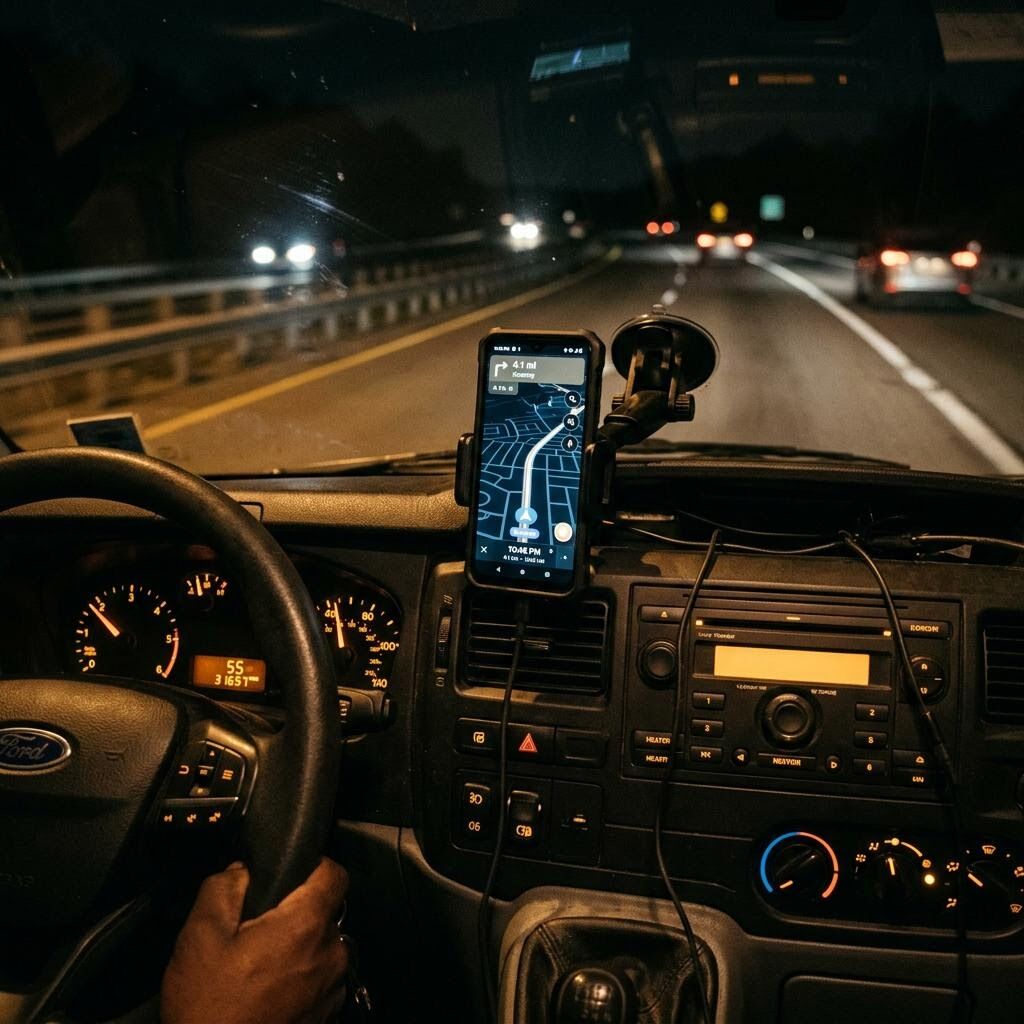
AI-generated illustrative vehicle technology detail
Stay with what works

Your trackers.
A more useful connection.

Changing hardware is not our starting point. We review what your current source can expose, how you are permitted to use it and where its limits sit. An API, a scheduled file and a historical export each call for a different connection.

We document vehicle matching, refresh behaviour and error handling. If the feed stops, the interface should say so rather than making silence look like inactivity. No software can recover events a provider never recorded; that boundary belongs in the design.

Explore integration work →
Find a useful first step

Where does your
workflow slow down?

A starting suggestion, not a quotation or technical assessment. Choose the closest task to see what would help us scope a conversation. Your selection stays in this page only.

Discuss this route →
Driver workflows

Built for the task.
Not for the demo.

A mobile workflow has to survive the conditions in which it is used: a shared device, inconsistent coverage or a short window to complete a check while safely stationary. We map the task before choosing the screen layout, permissions or distribution method.

Queued updates need a clear state. Failed submissions need a sensible next action. Local data needs a retention rule. Those details determine whether a driver app becomes useful operational software or simply another place where information can get lost. We do not design interactions that encourage use while driving.

Read about driver applications →
Reporting with its workings attached

Make the exceptions visible.

A missing signal is not the same thing as a stopped vehicle.

Trip boundaries, time zones and late events change the meaning of a journey report. We agree those rules before an export becomes a daily dependency. Representative examples help your operational owner check the interpretation, not just whether a download button works.

Maintenance reporting follows the same principle. A service reminder can combine dates, recorded mileage and review status; it is not a mechanical diagnosis or a roadworthiness guarantee. Stale readings and unresolved records should stay visible so a responsible person can decide what happens next.

See the reporting approach →
Before the first conversation

A small amount of
preparation goes a long way.

You do not need to arrive with a perfect specification. These four questions help separate a software build from the data and ownership work that may need to happen first. This checklist is not stored or transmitted.

What can you already identify?

Select the items you can already identify. Bring the rest as questions.

Delivery route

Define. Connect. Check. Release.

We begin with a written scope and a bounded outcome. The first technical work should expose the awkward dependency: source access, vehicle matching or offline behaviour. A prototype is labelled as a prototype, and the decision to continue is based on what it demonstrates.

Acceptance examples should include the awkward records as well as the clean ones: a journey crossing midnight, an unavailable vehicle reference or an update received after a report has run. Agreeing the expected behaviour early gives your team something concrete to review, and helps separate a source limitation from an application defect.

Before release, we agree acceptance examples, deployment responsibility and a fallback route. Handover covers the report definitions, configuration and known limitations. Hosting, source-code arrangements and ongoing care are discussed explicitly rather than assumed to be included in every build.

We also identify who can change configuration, who receives source-health warnings and where a support request should go. Those responsibilities keep a useful application from becoming a dependency that nobody feels able to maintain.

Follow the delivery route →
Keep the boundary clear

Software expertise.
Operational ownership.

We supply software services, not tracking hardware, vehicle installation, roadside assistance or transport operations. Your organisation remains responsible for safe vehicle operation and appropriate use of personal information.

Access to driver or journey data should have a defined purpose, an agreed audience and a retention policy. We can implement the agreed controls, but do not provide legal, employment or tax advice. A clear boundary helps the software support your team without pretending to replace their judgement.

A proposal makes the practical boundaries just as clear: the sources covered, the supported workflow and the work that remains with your provider or internal team. If the right answer is a smaller report or a targeted connection rather than a new application, that is a useful direction to establish.

About Ocelot Software →
Questions from the depot

Before you turn the key.

Do we have to replace our trackers?

No hardware supply is part of our scope. We assess whether your existing provider’s authorised data access supports the required workflow. Compatibility is reviewed rather than assumed.

Can you guarantee real-time location?

No. Update frequency and availability depend on the source, network and provider. We can show freshness and gaps clearly and agree a refresh strategy appropriate to the task.

What if we already have an application?

Describe the existing workflow and the problem. A review can establish whether a targeted integration or report is more sensible than rebuilding the application. Access and maintainability need to be assessed first.

How do we report a software issue?

Use the support page with a redacted description, time and expected behaviour. Office-hours support and any contracted response commitments are distinct; this public form is not an emergency channel.

The next useful mile

Tell us what the data
should help you do.

A report that people can explain. A driver update that reaches the right record. A feed that tells you when it is missing information. Start with the outcome; we will discuss the software and source questions behind it. No live journey records needed.